
News Blog
News Blog

Latest
 Everything Can Wait: Pepsi Brings the Festive Fizz to Kenyans This Christmas
 Port Sudan forces implicated in ethnic war crimes, according to a US investigation
 Charity group to build Sh500,000 classroom to support learners in Mukuru Kwa Njenga
 A Greener, Stylish Nairobi: ibis styles Launches the green room, the roof & revamped Kilele Nyama
 Beyond the Courtroom: WJF Dinner and Dance Powers Regional Socio-Economic Agenda





BIC Marks 50 Years of Shaving Innovation
Shadrack Nyakoe
- November 26, 2025






Rose Museo Champions Women’s Empowerment in Makueni
Patmoz
- November 3, 2025




KEWOTA Marks Six Years of Empowering Teachers
- November 1, 2025






Police Expose Major Land Fraud Syndicate in Nairobi Raid
- October 28, 2025















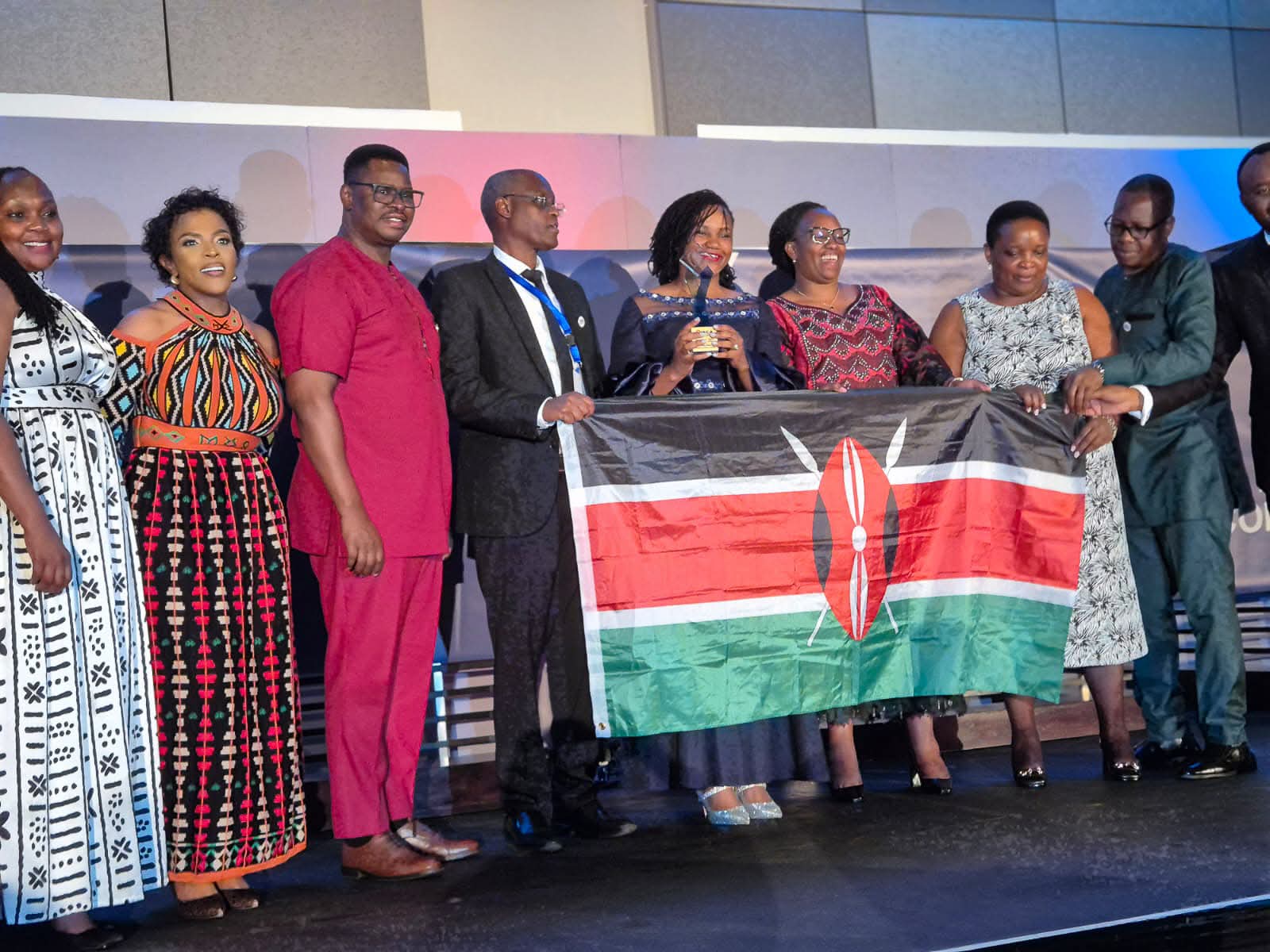
Kenya’s Diaspora Digital Initiative Earns Top Continental Award
- October 10, 2025




Pepsi, through SBC Kenya, has officially launched its festive season campaign themed “Everything Can Wait, It’s Christmas After All,” ushering in the Christmas and New Year holiday period with a bold celebration of togetherness, joy, and unapologetic festivity.
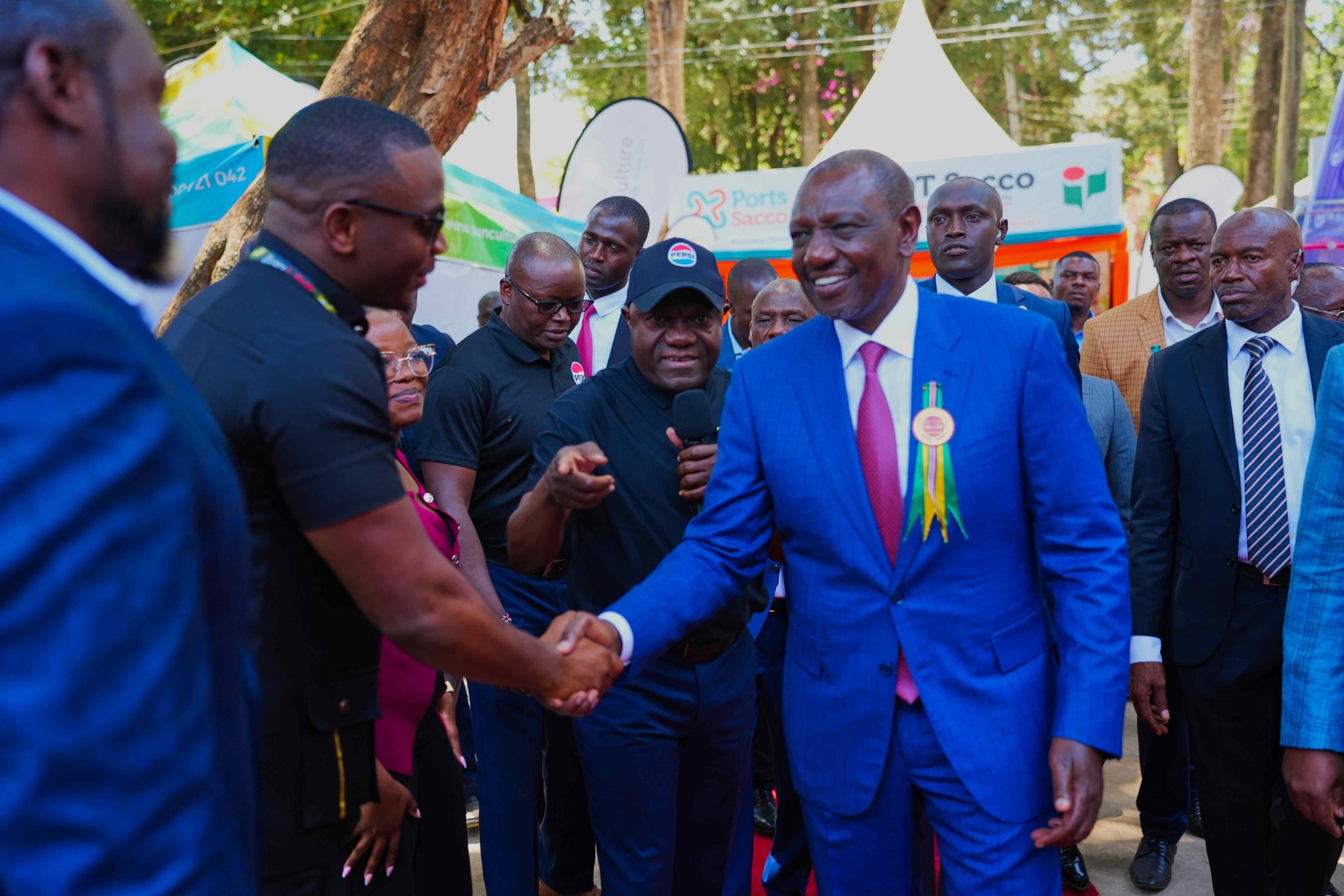
Headlined by the “Grab the Festive Fizz” campaign, the launch event took place at the SBC Kenya headquarters in Nairobi and brought together media personalities, trade partners, and Pepsi staff for a high-energy, vibrant, and culturally Kenyan experience. The event reflected the spirit of the season, colorful, lively, and deeply rooted in moments that matter most.
The campaign encourages consumers to pause the everyday hustle and fully immerse themselves in the joy of the festive season reconnecting with family, friends, and loved ones over the refreshing taste of Pepsi. It reinforces the brand’s role as a constant companion during moments of celebration, laughter, and shared experiences.
Speaking at the launch,From a commercial perspective, SBC Kenya Business Development Director Martin Kariuki said the campaign is as much about growth as it is about celebration, positioning Fizzmas as a consumer recruitment tool during a peak consumption period.
“Our portfolio has something for everyone, and the festive season gives us the perfect window to introduce our brands to millions of Kenyans,” Kariuki said, pointing to the mix of soft drinks, water and energy beverages designed to appeal to different consumption occasions.
Noting that the campaign captures the essence of Christmas and the New Year holidays, reminding Kenyans that some moments are too important to rush. From festive gatherings to end-of-year celebrations, Pepsi remains at the heart of the table bringing fizz, flavor, and fun to every occasion.
The launch event mirrored the campaign’s message through energetic performances, immersive brand experiences, and a strong cultural touch that resonated with the Kenyan audience. It marked the beginning of a festive season filled with exciting consumer engagements, promotions, and nationwide activations.
As the holidays approach, Pepsi invites Kenyans across the country to grab the festive fizz, slow down, and celebrate because everything can wait, it’s Christmas after all.
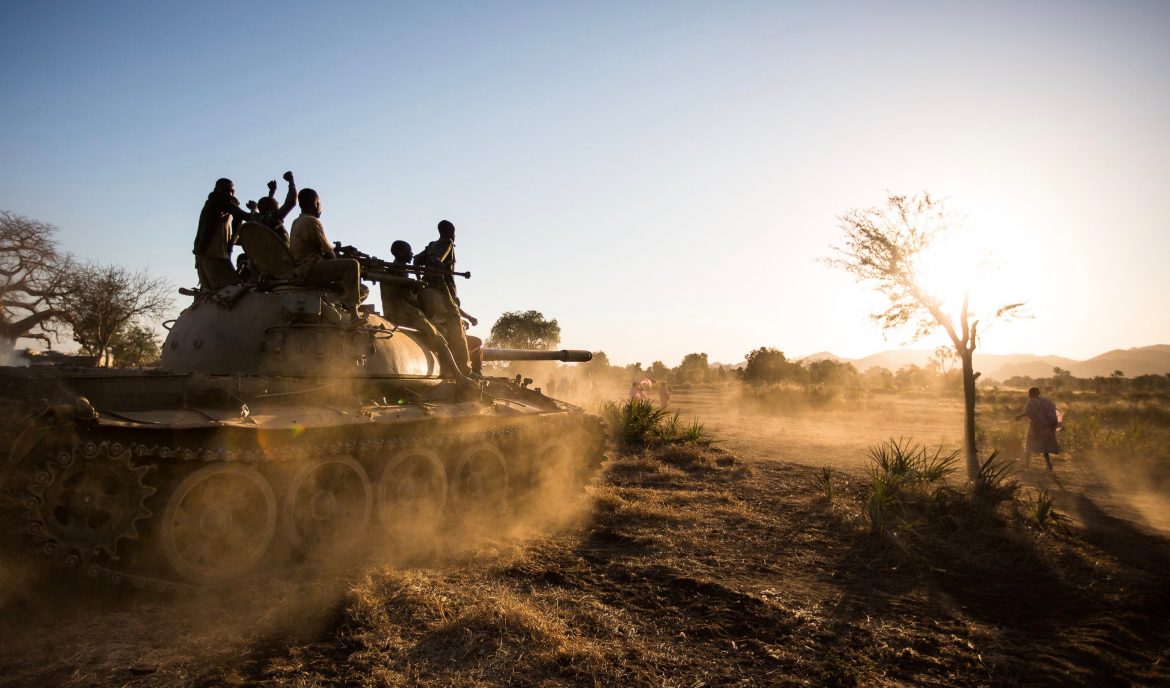
A CNN investigation has revealed a “horrific” campaign of violence carried out by Port Sudan forces “under the watchful eye” of their commander, Abdel Fattah al-Burhan, in the state of Gezira, while a UN official, after reviewing the details of the investigation, described it as “genocide on ethnic grounds.”
The American network’s investigation, conducted in collaboration with the investigative newsroom Light House Reports, relied on satellite images, survivor testimonies, and field analyses that revealed “horrific” violations and “described war crimes” committed by Port Sudan forces.
According to CNN, what is striking is that these violations committed by the Port Sudan forces and the militias allied with them “have remained largely hidden”.
The investigation detailed the violations, stating that Port Sudan forces and allied militias used “unprecedented” brutal methods, including mass killings and field executions, based on testimonies from survivors who spoke of arbitrary executions of civilians suspected of sympathizing with the Rapid Support Forces, especially from non-Arab tribes in the Darfur and Kordofan regions.
The investigation also relayed testimonies of sexual violence and “systematic rape” used as a weapon of war, with a focus on women and girls in the targeted villages, in addition to a policy of “ethnic cleansing,” as it revealed the burning of entire villages and the destruction of vital infrastructure such as markets and hospitals, with the aim of forcing the population to flee.
One of the policies of collective punishment in Al-Jazirah State specifically was the indiscriminate bombing, including air raids on densely populated civilian areas, which resulted in hundreds of civilian casualties, including children and women.
CNN indicated that these violations were carried out under the direction of the highest level of the Port Sudan forces command, revealing that an official in the General Intelligence Service was responsible for coordinating the attacks in Al-Jazirah State, and that the commander of the forces, Abdel Fattah al-Burhan, “was aware of the killings.”
“The Scene of the Massacre”
The investigation identified the time of the horrific violations in Al-Jazirah State during last January, as Port Sudan forces attempted to recapture the strategic city of “Wad Madani” from the Rapid Support Forces, noting that “the atrocities were escalating” as Burhan’s forces approached the city.
In the village of Al-Kuraiba, videos showed dozens of young men being detained by Port Sudan forces and brutally assaulted, accused of belonging to the Rapid Support Forces. The investigation also pointed to a massacre committed near what is known as the “Police Bridge,” where footage showed about 50 bodies in a “massacre scene,” according to CNN.
The American network quoted what it described as an “informant” from within the upper ranks of the General Intelligence Service in Port Sudan, who spoke without revealing his name “for fear of reprisals,” indicating that the victims killed at the police bridge “were buried in mass graves.”
It is noteworthy that the “intelligence” source acknowledged that the dead were not only from the Rapid Support Forces, but that there were civilians who were executed “based on suspicions,” while satellite images of the area days after the massacre confirmed the appearance of white objects that are believed to be bodies wrapped in a mass grave.
But mass graves were not the only method used by Port Sudan’s forces and militias to dispose of bodies, according to a CNN investigation, which quoted a second intelligence “informant” as saying that some civilians accused of collaborating with the Rapid Support Forces were shot and then thrown into a water canal.
“Al-Burhan is above the corpses.”
Just four miles from the village of “Bika,” the informant reported that bodies had been thrown into the water, while days later, Al-Burhan was addressing his soldiers from behind the same canal into which the bodies had been thrown, according to the intelligence source.
Satellite images taken last May, after the water level had receded, show what appear to be dozens of bodies at the bottom of the canal, meters away from where Burhan had been standing.
According to CNN, the horrific attacks carried out by Port Sudan forces along the road to Wad Madani were not “isolated” but were “part of a wider campaign of ethnically motivated attacks” that targeted at least 39 villages in Al-Jazirah State.
The abuses were concentrated against the “Kanabi,” a non-Arab farming community often referred to by militias as “Black Sudanese,” with one member of a UN fact-finding mission describing the military campaign as “targeted genocide on ethnic grounds.”
CNN’s investigation concludes that impunity is the main reason these violations continue, as Port Sudan forces have failed to seriously investigate the crimes of their own forces and allied militias.
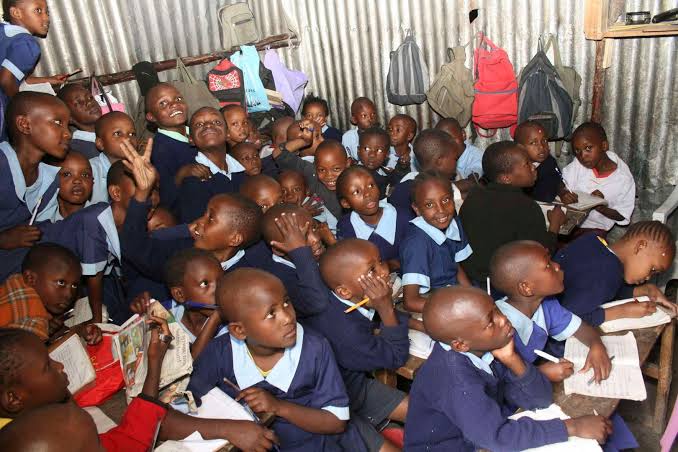
A charity organisation has announced plans to construct a Grade 9 classroom at a school in Mukuru Kwa Njenga informal settlement, Nairobi, at a cost of Sh500,000, in an effort to support vulnerable learners.
The initiative seeks to address infrastructure gaps facing community schools implementing Kenya’s Competency-Based Curriculum (CBC).
The announcement was made on December 8 during a tree-lighting event organised by Lazizi Welfare Foundation in Nairobi, which was attended by pupils from Nifikie Christian School.
Under the CBC system, learners are required to transition to junior secondary school after Grade 8. However, many schools in informal settlements lack the facilities required to support this transition, leaving learners vulnerable to disruption or dropout.
Lazizi Welfare Foundation Project Manager Steve Raburu said the planned classroom, estimated to cost Sh500,000, will enable learners to continue their education within their community.
“Without junior secondary facilities, many children are forced to leave familiar learning environments or drop out altogether,” Raburu said. “This classroom will ensure that learners from this school can transition to Grade 9 without interruption.”
The proposed facility is expected to serve 33 learners, with capacity to accommodate future cohorts.
Nifikie Christian School Director Stacy Kefuka said inadequate infrastructure remains one of the biggest challenges for low-income schools implementing CBC.
“The CBC has increased pressure on small community schools that were not originally designed to host junior secondary,” Kefuka said. “Support from partners is critical to ensure children do not lose access to education simply because of where they live.”
She added that the school serves more than 300 learners and relies on partnerships to sustain feeding programmes and access to learning materials.
The tree-lighting event marked the end of the school term and provided pupils with a rare opportunity to participate in an off-campus activity. Organisers said the event was designed to expose learners to experiences beyond their immediate environment.
Lazizi Welfare Foundation has been operational for two years and runs programmes in education, healthcare, and community development across different parts of the country.
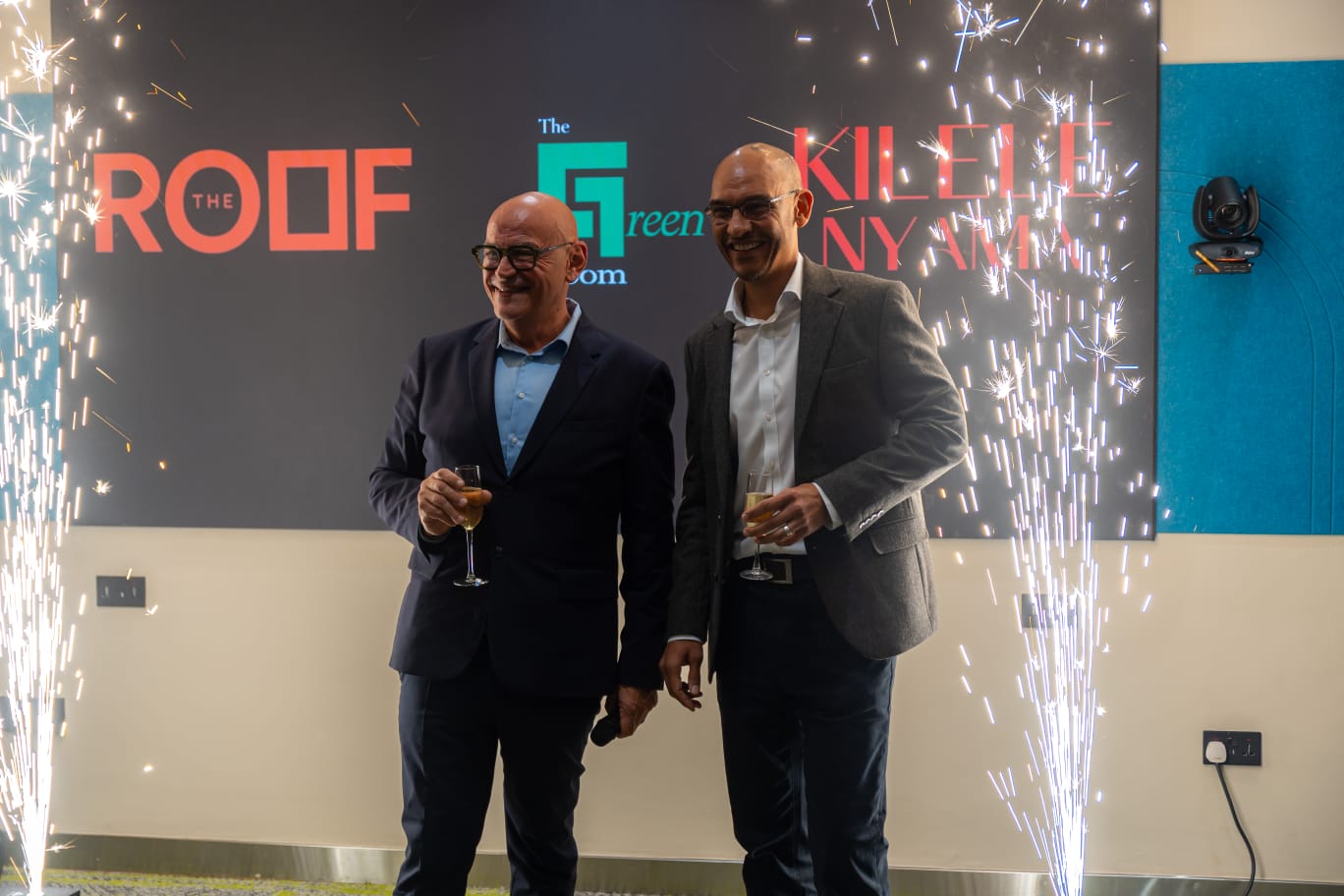
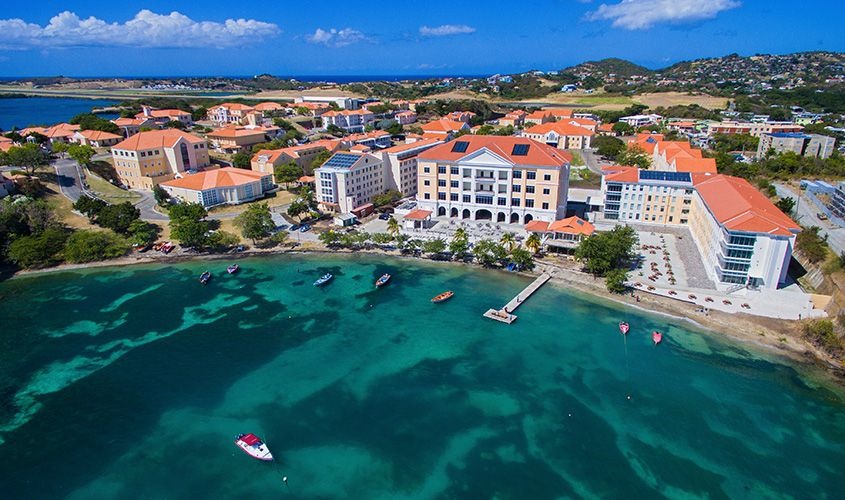
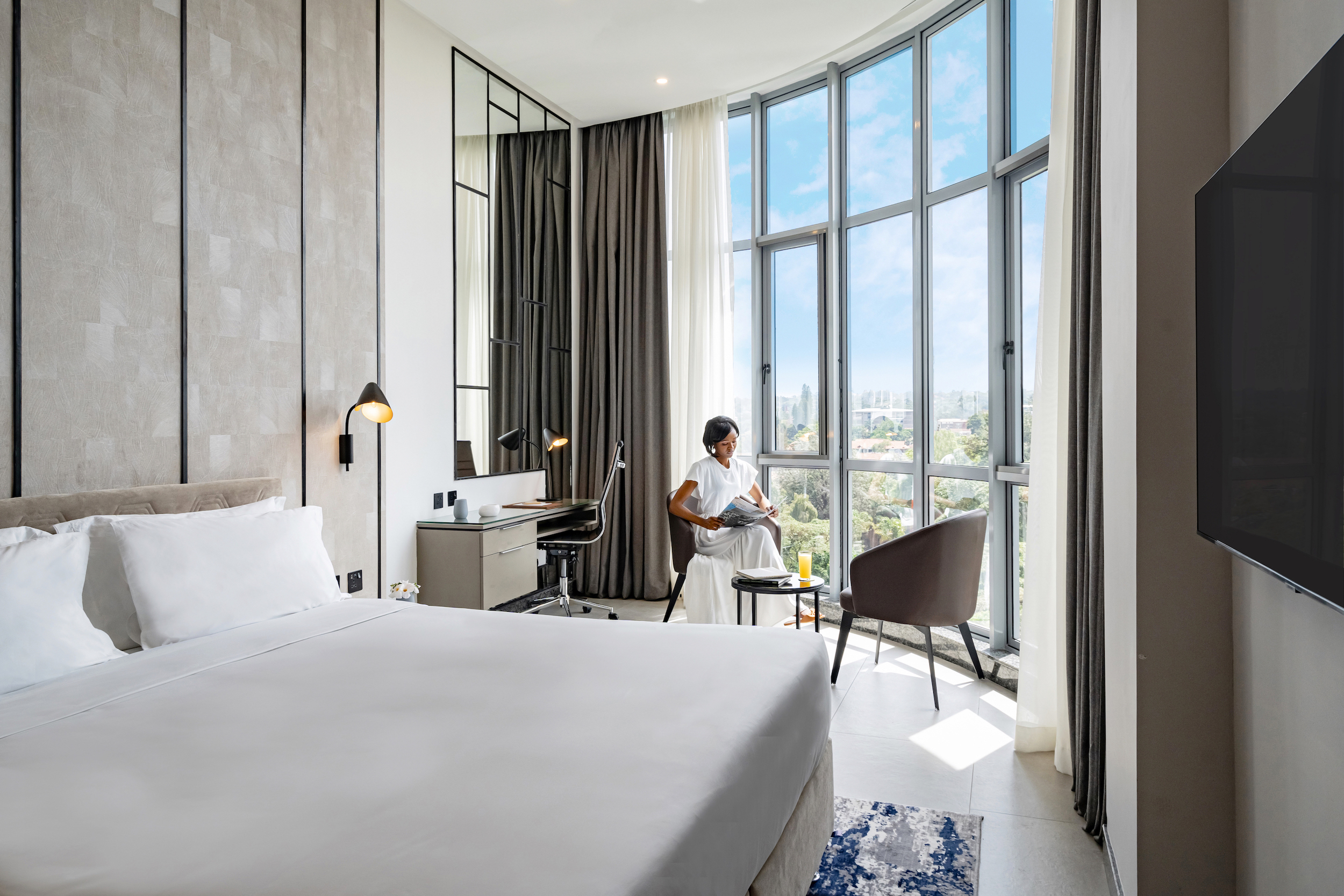
ibis Styles Nairobi Westlands has officially unveiled The Green Room, The Roof, and a reimagined Kilele Nyama, marking a transformative leap in design, sustainability, and Nairobi’s dynamic food and lifestyle scene.
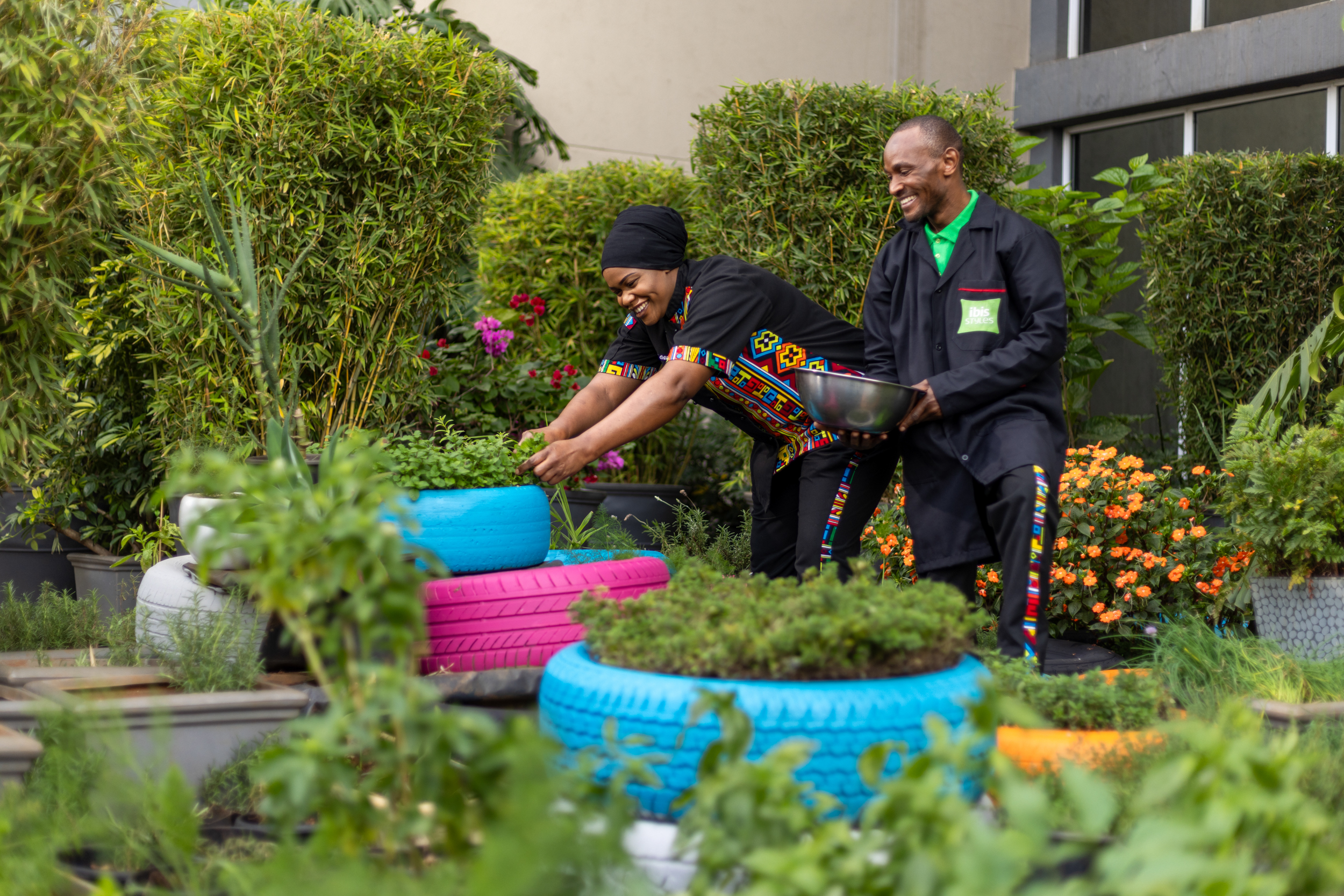
Guided by the brand’s signature creativity, vibrancy, and smarter-living ethos, the new developments reaffirm the hotel’s strong commitment to eco-friendly innovation. The standout achievement is The Green Room, now 100% solar-powered, positioning it as a major milestone in reducing the hotel’s carbon footprint while enriching guest experiences through conscious, modern design.
“This project represents our commitment to a greener future,” said Thomas Simonnet, General Manager, ibis Styles Nairobi Westlands. “We are proud to lead the way in sustainable hospitality while offering guests fresh, stylish, and memorable dining and social experiences.”
The Green Room — Nairobi’s First Fully Solar-Powered Event & Social Space
Merging contemporary aesthetics with renewable energy, The Green Room introduces a fresh, eco-conscious environment designed for private events, cocktails, intimate gatherings, and creative experiences. Powered entirely by solar energy, it showcases the hotel’s long-term sustainability goals and aligns with Accor’s global commitment to responsible tourism.
The Roof — A Vibrant Social Escape Above the City
The Roof brings a playful, stylish rooftop destination to Westlands, offering curated cocktails, live entertainment, sweeping views, and the upbeat atmosphere ibis Styles is celebrated for. With bold décor and an energetic vibe, it promises to become one of Nairobi’s favourite social hotspots.
Kilele Nyama — Nairobi’s Ultimate Modern Nyama Experience
A beloved favourite, Kilele Nyama has been refreshed with a sleek and modern culinary twist. Guests can indulge in signature flame-grilled selections, flavour-rich tapas, and an expanded cocktail menu complemented by The Roof’s offerings. The elevated experience celebrates culture, creativity, and community, appealing to both Nairobi locals and international visitors.
A Major Milestone for the Hotel and the City
The unveiling brought together industry leaders, partners, stakeholders, and media to witness ibis Styles Nairobi Westlands’ continued evolution. The project aligns with global sustainability trends and serves as a forward-thinking blueprint for the future of hospitality in Kenya.
If you’d like, I can also prepare a shorter version for social media, a press release layout, or a simplified version for newspaper print.
ibis Styles Nairobi Westlands has officially unveiled The Green Room, The Roof, and a reimagined Kilele Nyama, marking a transformative leap in design, sustainability, and Nairobi’s dynamic food and lifestyle scene.
Guided by the brand’s signature creativity, vibrancy, and smarter-living ethos, the new developments reaffirm the hotel’s strong commitment to eco-friendly innovation. The standout achievement is The Green Room, now 100% solar-powered, positioning it as a major milestone in reducing the hotel’s carbon footprint while enriching guest experiences through conscious, modern design.
“This project represents our commitment to a greener future,” said Thomas Simonnet, General Manager, ibis Styles Nairobi Westlands. “We are proud to lead the way in sustainable hospitality while offering guests fresh, stylish, and memorable dining and social experiences.”
The Green Room — Nairobi’s First Fully Solar-Powered Event & Social Space
Merging contemporary aesthetics with renewable energy, The Green Room introduces a fresh, eco-conscious environment designed for private events, cocktails, intimate gatherings, and creative experiences. Powered entirely by solar energy, it showcases the hotel’s long-term sustainability goals and aligns with Accor’s global commitment to responsible tourism.
The Roof — A Vibrant Social Escape Above the City
The Roof brings a playful, stylish rooftop destination to Westlands, offering curated cocktails, live entertainment, sweeping views, and the upbeat atmosphere ibis Styles is celebrated for. With bold décor and an energetic vibe, it promises to become one of Nairobi’s favourite social hotspots.
Kilele Nyama — Nairobi’s Ultimate Modern Nyama Experience
A beloved favourite, Kilele Nyama has been refreshed with a sleek and modern culinary twist. Guests can indulge in signature flame-grilled selections, flavour-rich tapas, and an expanded cocktail menu complemented by The Roof’s offerings. The elevated experience celebrates culture, creativity, and community, appealing to both Nairobi locals and international visitors.
A Major Milestone for the Hotel and the City
The unveiling brought together industry leaders, partners, stakeholders, and media to witness ibis Styles Nairobi Westlands’ continued evolution. The project aligns with global sustainability trends and serves as a forward-thinking blueprint for the future of hospitality in Kenya.
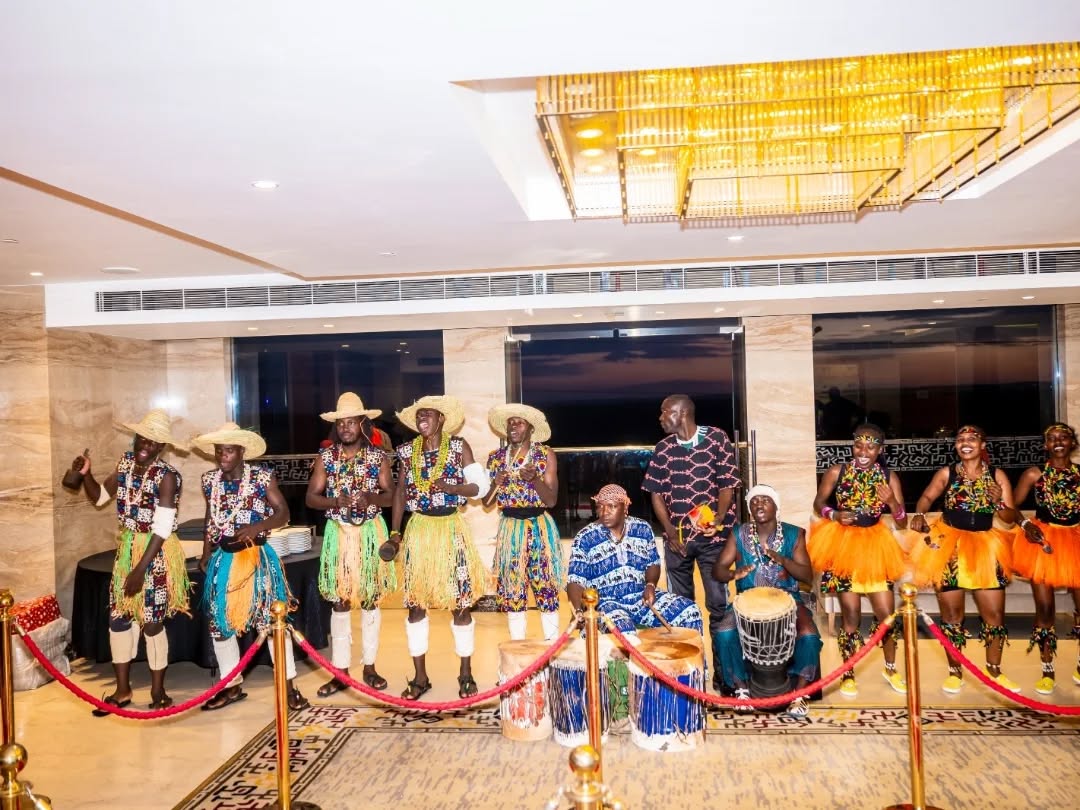
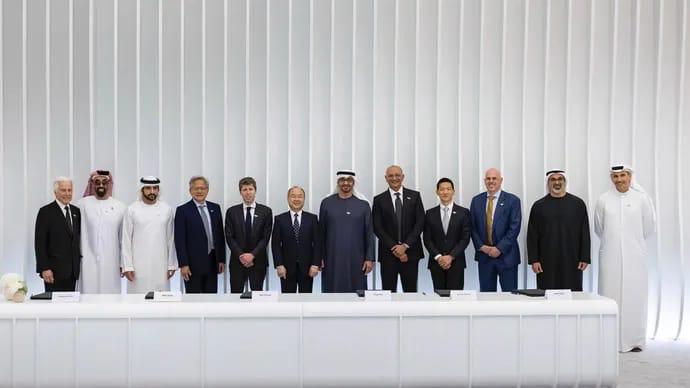
The Western Jurists Forum (WJF), a prominent socio-economic welfare organization founded by legal practitioners hailing from Kenya’s Western region, concluded its year with a prestigious end-of-year dinner at a Nairobi hotel, drawing together a formidable gathering of the nation’s legal fraternity.
The high-profile event was graced by Prime Cabinet Secretary Musalia Mudavadi as the Chief Guest, alongside former Cabinet Secretary for Youth Affairs, Sports and the Arts, Ababu Namwamba, who delivered the keynote address. Namwamba took the opportunity to commend the forum’s leaders for successfully uniting such a large number of legal professionals.
In their addresses, both leaders emphasized the paramount importance of unity and shared purpose within the community. Mudavadi powerfully reinforced the message of togetherness, stating that “we are one people” and stressing the need for members to truly understand and commit to the group’s mission. Namwamba urged the jurists to refuse to be distracted, stay focused on their mission, and commit to “flying the mission on the highway where they are supposed to be.” He acknowledged the potential for logistical and coordinating challenges, such as the note about organizing a difficult group run, but stressed the commitment to overcome them and remain united. The speeches served as a reinforcement of the message of moral leadership and strengthening institutions within the legal fraternity.
Honoring Excellence and Legacy
A key highlight of the evening was the renaming of the Inderma Fellowship, which has now been designated the Justice Majanja WJF Fellowship in honor of the late Justice Majanja, acknowledging his significant contributions to the legal field and upholding the principles of constitutional integrity and human rights jurisprudence. Furthermore, Professor Julia Ojiambo received the prestigious Ewasulwe Award for her long-standing and impactful work.

The WJF also recognized outstanding commitment and talent among its members and the wider community. Laureen Magotsi was awarded the Spotlight Award for Service, a testament to her dedication, while celebrities Edi Butita and Jackie Vickie won the Ningi Ningi Award. In a significant move to bolster the socio-economic welfare of its members, the WJF also disbursed Seed Capital to Western Jurists.
The evening concluded with repeated expressions of appreciation, cementing the forum’s role as a premier organization committed to the excellence, integrity, and collective prosperity of its members and the wider region.
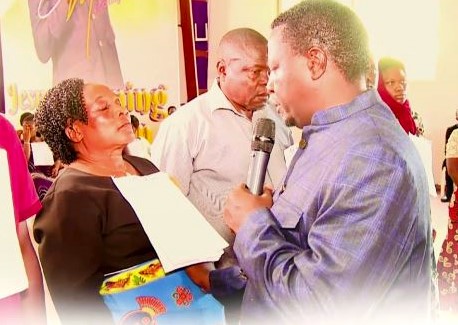
The speech by Musalia Mudavadi during one of the Western Jurists Forum events also touches on the organization’s role in community upliftment.